Measurements in Electrical Panels are essential to ensure the safety, efficiency, and proper functioning of electrical systems. These measurements are performed to monitor and verify various electrical parameters such as current, voltage, power, energy, and resistance. Below are some of the most common parameters measured in an electrical panel and the instruments used for these measurements:
Common Parameters to Measure
– Voltage (V), Current (A), Power (W), Energy (kWh), Frequency (Hz), Power Factor (PF), Resistance (Ω),Temperature (ºC).
Measuring Instruments
– Multimeter: Used to measure voltage, current, resistance, and in some cases, frequency and continuity.
– Clamp Meter: Primarily used to measure current without needing to disconnect the circuit.
– Power Quality Analyzer: Measures and analyzes various power quality parameters such as power factor, harmonics, distortion, etc.
– Watt-hour Meter: Used to measure electrical energy consumption.
– Infrared Thermometer: Measures the temperature of components without direct contact.
– Oscilloscope: Used to visualize waveforms of electrical signals.
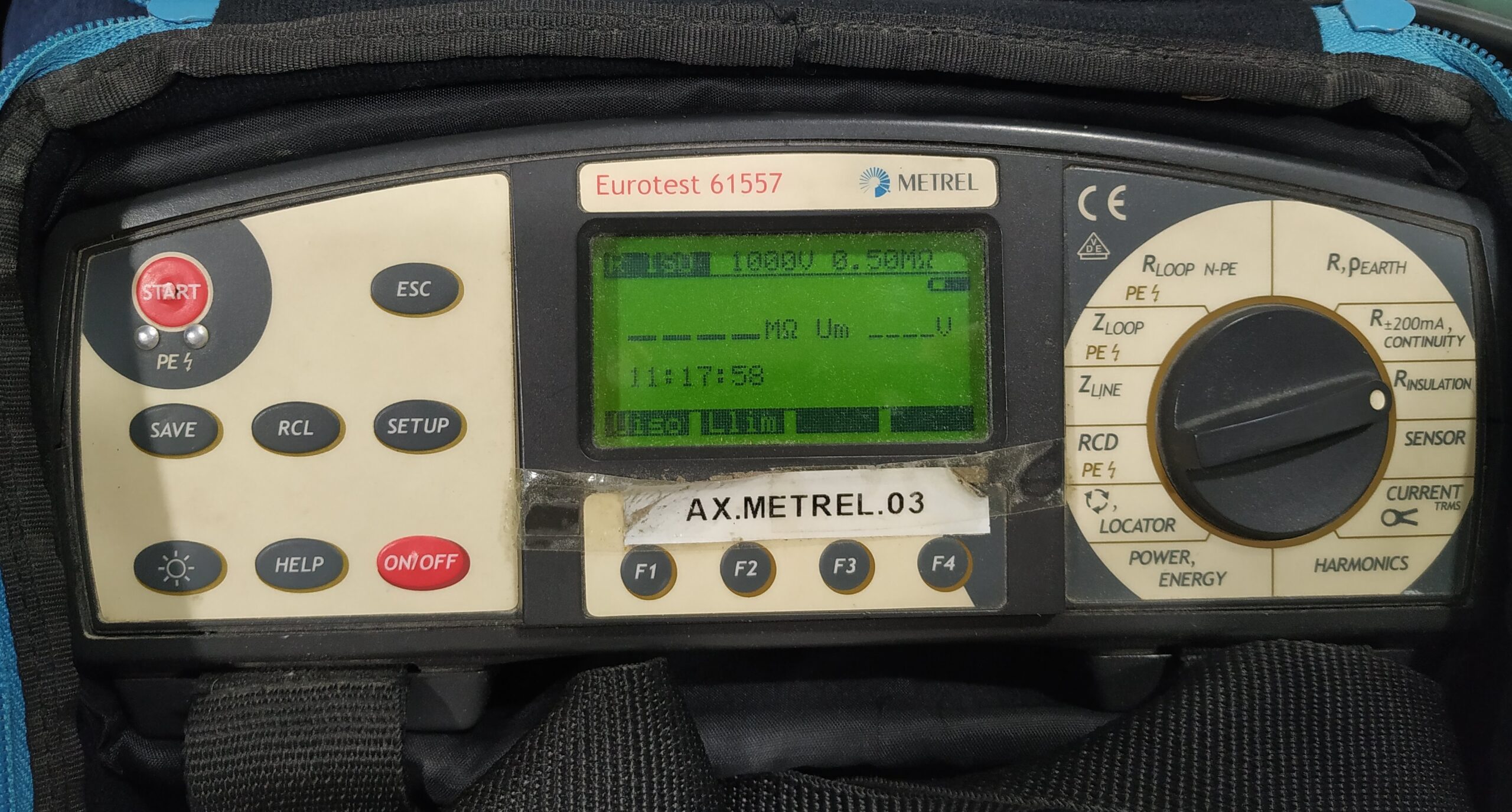
– Insulation Tester: Measures the insulation resistance between conductors and ground to ensure no current leakage.
Measurement Procedures
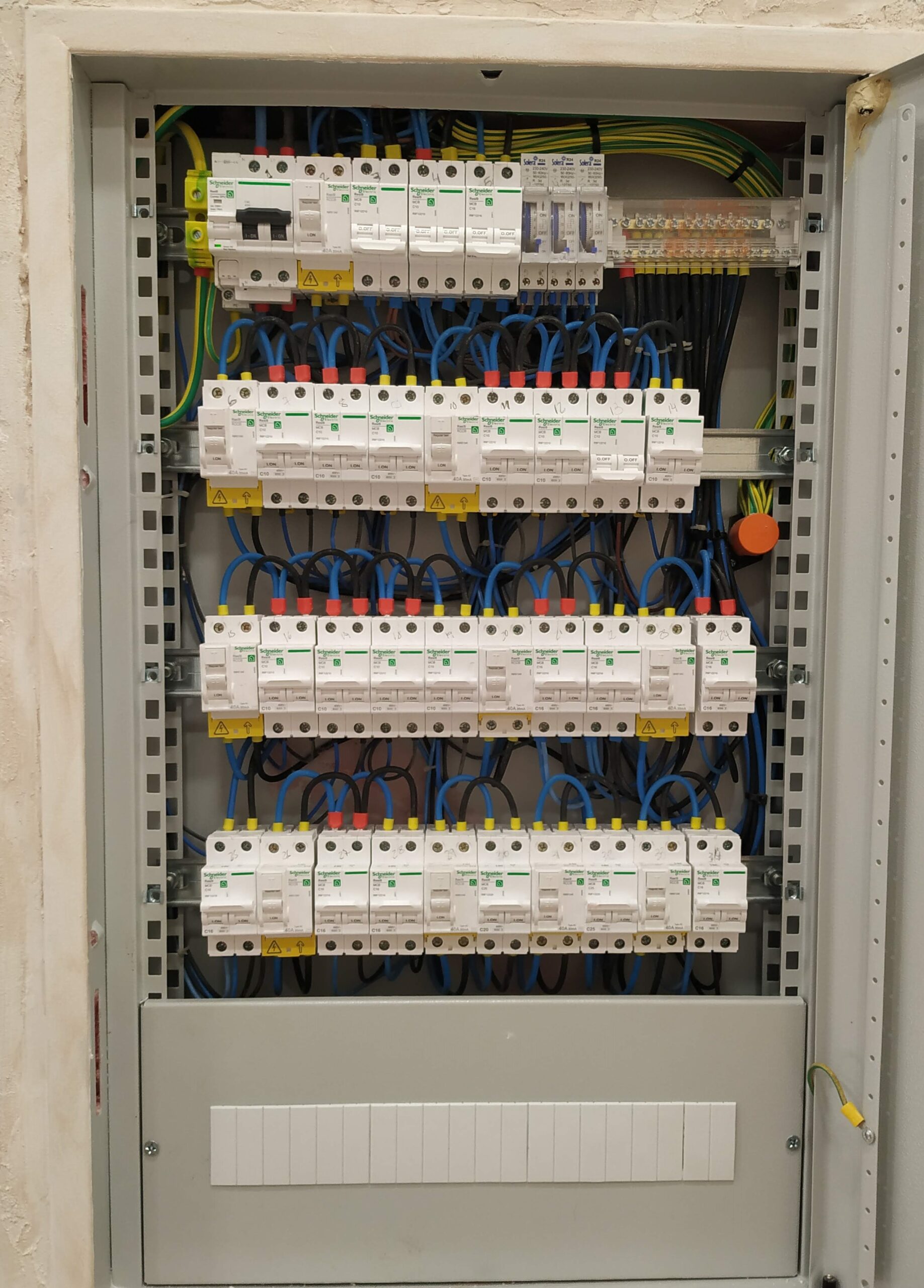
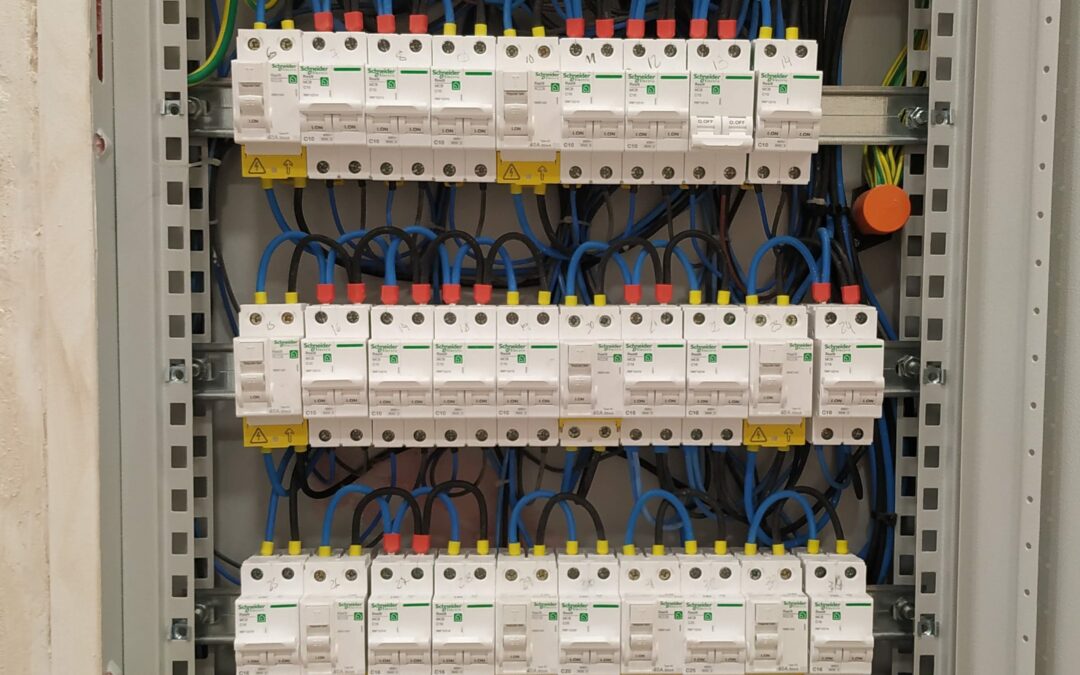
– Visual Inspection: Before taking any measurements, visually inspect the electrical panel to identify potential issues such as loose wires, burned connections, or damaged components.
– Voltage Measurement:
– Using a multimeter, select the AC (alternating current) or DC (direct current) voltage function as appropriate.
– Place the test leads on the corresponding measurement points, typically at the input or output terminals.
– Current Measurement:
– With a clamp meter, select the appropriate current range.
– Open the clamp and place it around the conductor through which the current flows.
– Resistance and Continuity Measurement:
– Performed with a multimeter set to the ohms (Ω) function.
– For continuity, ensure the multimeter beeps when the test leads touch each other or connected points.
– Power and Energy Measurement:
– Power quality analyzers or watt-hour meters are used.
– These are connected in series with the circuit or use clamps for measurement without disconnection.
– Power Quality Analysis:
– Using a power quality analyzer, evaluate harmonics, distortion, and other parameters that affect the quality of electrical supply.
Measurement Safety
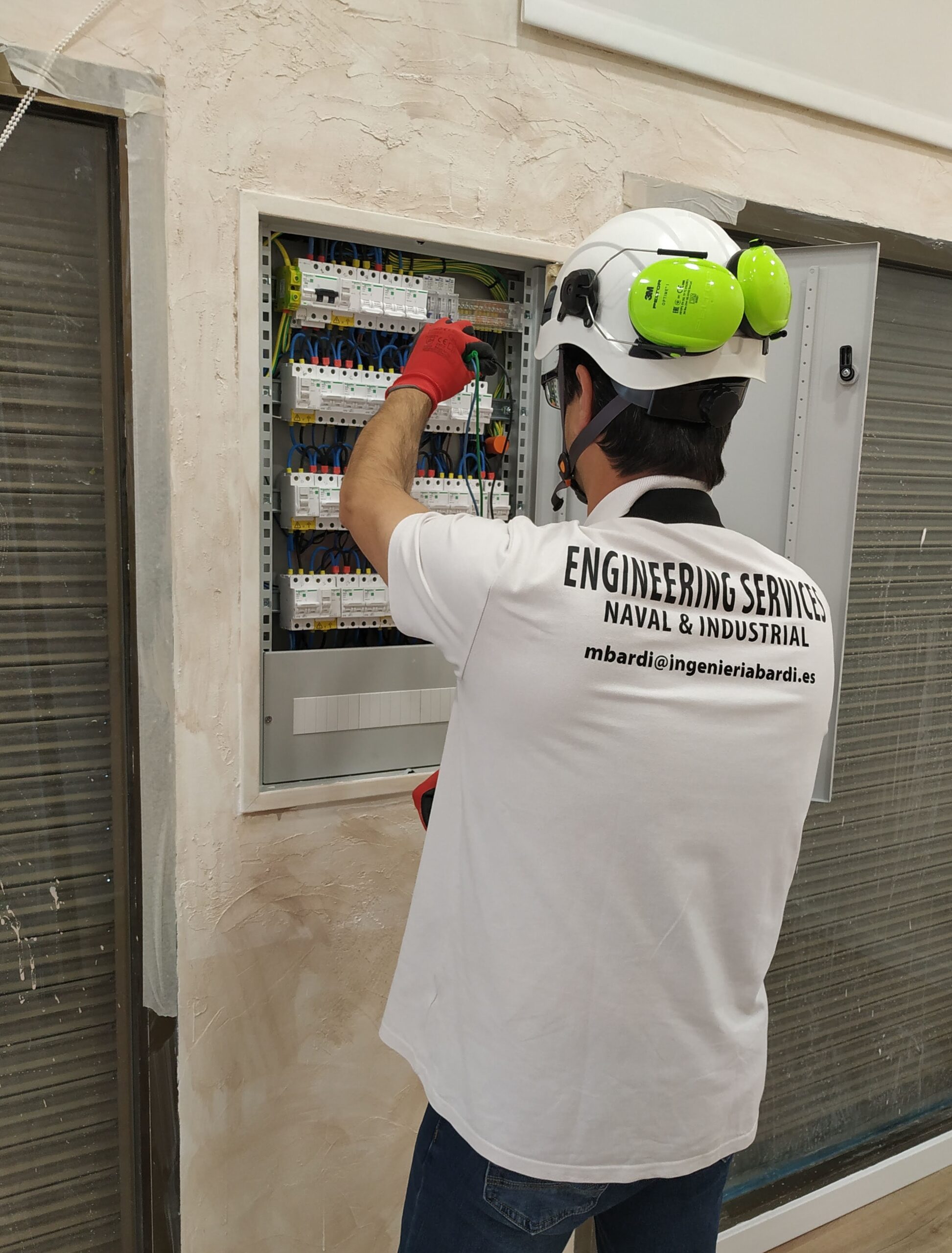
– Always use personal protective equipment (PPE) such as insulating gloves, safety glasses, and appropriate clothing.
– Ensure the measuring instruments are calibrated and in good condition.
– Follow lockout/tagout (LOTO) procedures to ensure circuits are de-energized before handling them.
– Maintain a safe distance and avoid working alone.
Performing accurate and safe measurements in electrical panels is crucial for the maintenance and efficient operation of electrical systems.